Hundreds of Millions of Dollars Have Been Recovered for Injured Babies and Children
"*" indicates required fields
This guide is for families whose newborns have suffered injuries in the NICU. It explains the types of injuries, how legal claims work, and how a NICU injury lawyer can help you secure justice and compensation. The scope covers the most common NICU injuries, the legal process for pursuing a claim, and the critical role of legal representation in helping families recover the resources needed for long-term care. When an injury occurs within a neonatal intensive care unit, the consequences often resonate for a lifetime. Because the long-term impact of these events can be so profound, securing a future through accountability and experienced legal guidance is a critical step in addressing the complexities of the recovery process.
When a newborn is admitted to the Neonatal Intensive Care Unit (NICU), parents are often told it is the safest place for a fragile infant. However, the NICU is a high-pressure environment where even a minor calculation error or a missed alarm can lead to permanent neurological damage. During NICU stays, it is crucial for parents to monitor and advocate for their baby’s health, staying vigilant and seeking clear communication from medical professionals. If you are searching for a NICU injury lawyer, our team is dedicated to helping families affected by medical negligence in the NICU. At The Killino Firm, our team of NICU lawyers understands that these cases are not just about medical records; they are about the child’s future—ensuring that a child who has been denied a fair start receives the support and justice they deserve.
We have represented families nationwide, ensuring that the hospitals responsible for these injuries are held to the highest standards of accountability. Our NICU lawyers bring focused expertise in handling medical negligence cases that happen in the Neonatal Intensive Care Unit. Our role is to ensure you have the financial resources to provide that care through experienced NICU malpractice attorneys medical malpractice litigation.
Families looking for additional information about NICU injury claims can also visit 844 NICU Law for focused resources on legal options after neonatal intensive care negligence.


NICU injury lawyers focus on medical malpractice cases arising from negligence in the Neonatal Intensive Care Unit (NICU). Our team of NICU attorneys handles cases involving injuries resulting from monitoring failures, incorrect medication dosages, and improper equipment use. Hiring a NICU injury lawyer requires finding a team with proven experience in medical malpractice with real-world know-how in neonatal and birth injuries. Families may file a medical malpractice lawsuit if errors or negligence caused their child’s injury in the NICU. Medical malpractice claims in the NICU can arise from healthcare providers failing to meet the accepted standard of care. Legal representation is necessary in NICU cases to prove that a medical professional acted outside the standard of care. NICU injury lawyers help families navigate complex medical and legal systems to secure compensation for long-term care. Our team of NICU lawyers works on a contingency fee basis, meaning families do not pay unless the attorney secures compensation.

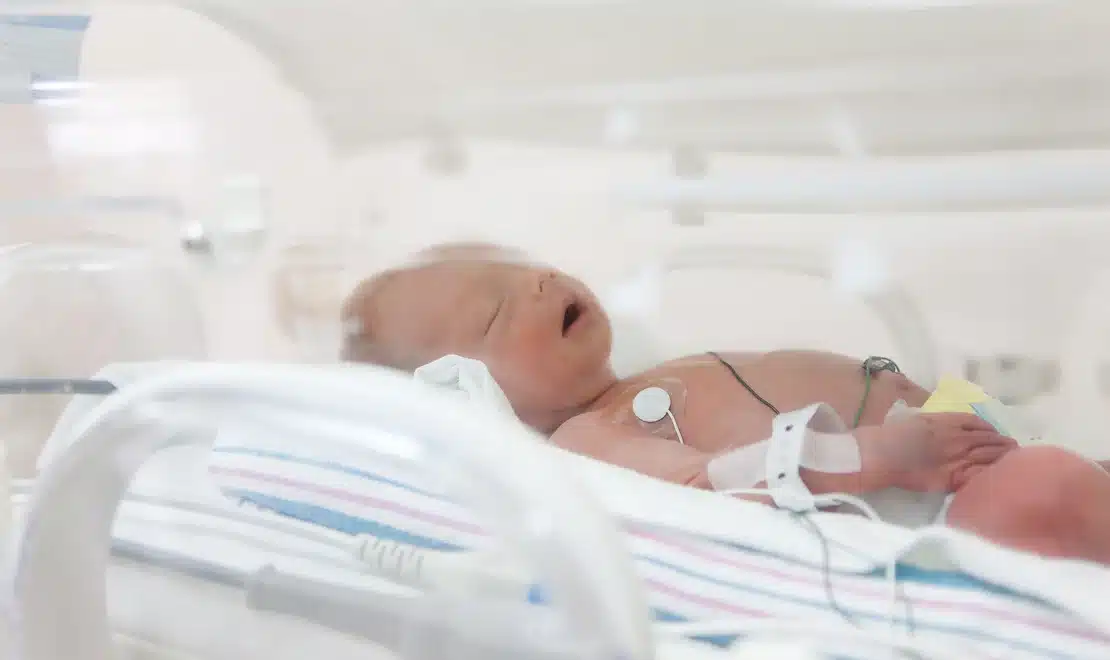
When a newborn is admitted to the neonatal intensive care unit, parents trust that every precaution will be taken to protect their child’s fragile health. Unfortunately, NICU injuries can occur when a healthcare provider fails to deliver the standard of care expected from a reasonably prudent medical professional. These injuries can have lifelong consequences, and understanding the most common types is the first step toward working with a NICU injury lawyer to hold negligent parties accountable.
Premature babies are especially vulnerable to respiratory distress syndrome, a condition that makes it difficult for them to breathe on their own. In the NICU, continuous monitoring of oxygen saturation and careful administration of respiratory medications are essential. Medical negligence—such as delayed administration of oxygen or improper use of ventilators—can lead to severe complications, including permanent brain damage or cardiac issues.
When a child is in the Neonatal Intensive Care Unit (NICU), the goal is recovery, but certain complications can lead to a diagnosis of Cerebral Palsy. This is a lifelong neurological condition that impacts a child’s movement, posture, and muscle coordination.
In a NICU setting, this condition is frequently linked to brain injuries sustained during or shortly after birth, often caused by prolonged oxygen deprivation (birth asphyxia) or the failure to quickly treat neonatal infections like meningitis. Medical errors in the NICU—such as the mismanagement of a baby’s respiratory distress, failure to monitor brain swelling, or delays in providing cooling therapy—can significantly increase the risk of permanent brain damage. Because the impact of a NICU-related injury can last a lifetime, ensuring accountability is essential for securing the specialized medical care and long-term support these children require.
In a Neonatal Intensive Care Unit (NICU), Hypoxic-Ischemic Encephalopathy (HIE) is a critical diagnosis that requires immediate and expert attention. HIE occurs when a baby’s brain is deprived of sufficient oxygen and blood flow, a crisis that often begins during labor or delivery but continues to manifest in the first hours of life.
Within the NICU, this lack of oxygen can lead to severe cognitive impairments, cerebral palsy, and life-threatening seizures. The window for intervention is incredibly small; medical protocols, such as therapeutic hypothermia (brain cooling), must be initiated within the first six hours of birth to effectively reduce the risk of permanent brain damage.
If NICU staff fail to recognize the signs of fetal distress, delay the start of cooling therapy, or mismanage respiratory support, the window for recovery can close permanently. When a healthcare provider’s failure to act in a timely manner leads to lifelong disability, it may constitute medical malpractice, necessitating a focus on securing accountability and the resources needed for long-term care.
Brain injuries or oxygen deprivation in the NICU can lead to delays in speech, motor skills, and cognitive development. Early detection and intervention are critical, but these delays are often the result of medical errors or inadequate monitoring by healthcare professionals.
Errors in oxygen therapy, untreated infections, or trauma during delivery can cause vision problems or even blindness in vulnerable newborns. Regular monitoring and immediate treatment of any abnormalities are essential to prevent these devastating outcomes.
Seizures in newborns are often a sign of underlying brain injuries, such as those caused by oxygen deprivation or trauma. Failure to recognize and treat neonatal seizures promptly can lead to further neurological damage and long-term disabilities.
Improper monitoring of vital signs or blood flow during delivery can result in injuries to vital organs like the heart or kidneys. In severe cases, these errors can lead to lifelong health challenges or require ongoing medical care.
If your child has suffered any of these NICU injuries and you suspect medical negligence or medical malpractice played a role, it is crucial to consult with a NICU medical malpractice attorney who is skilled in birth injury claims and understands the full range of catastrophic injury practice areas. An experienced birth injury lawyer can help you understand your legal options, guide you through the process of filing a medical malpractice lawsuit, and fight for the fair compensation your family deserves.
These key points highlight the importance of understanding your rights and the urgency of seeking legal help after a NICU injury.
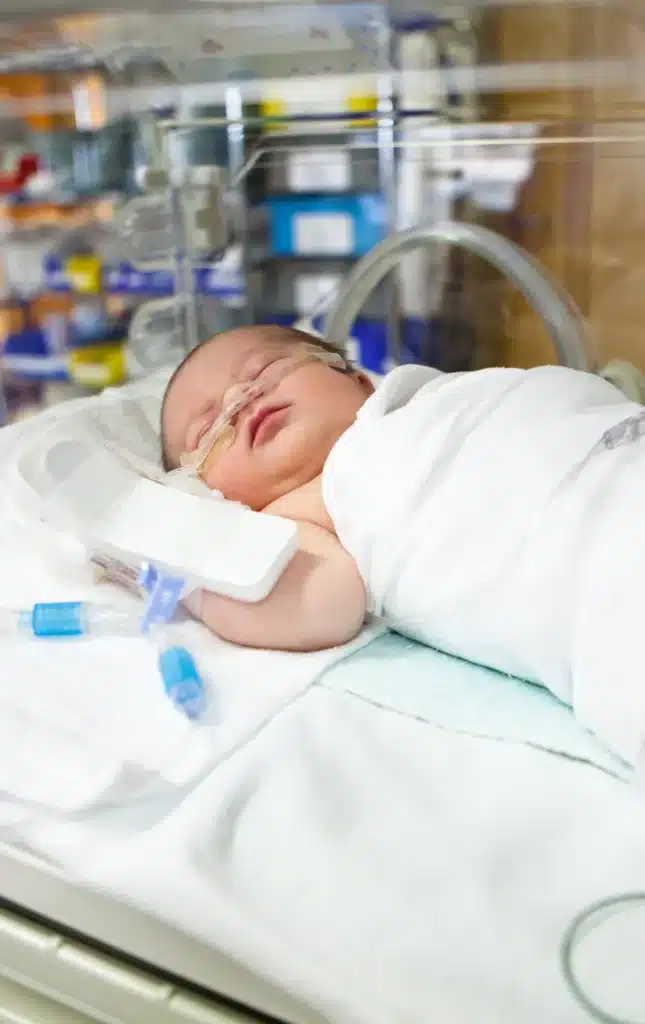
The complexity of neonatal care means that there are dozens of “failure points.” According to recent 2026 data from the National Practitioner Data Bank (NPDB), medical malpractice payments for pediatric and obstetric claims consistently represent a significant portion of total healthcare payouts. A medical malpractice claim can arise when negligence or deviations from the standard of care in the NICU result in harm to a newborn.
NICU injury lawyers are narrowly focused on medical malpractice cases arising from negligence in the Neonatal Intensive Care Unit (NICU). They handle injuries resulting from monitoring failures, incorrect medication dosages, and improper equipment use. Hiring a NICU injury lawyer requires finding an authority in medical malpractice with experience in neonatal and birth injuries. Families may file a medical malpractice lawsuit if errors or negligence caused their child’s injury in the NICU. Medical malpractice claims in the NICU can arise from healthcare providers failing to meet the accepted standard of care. Legal representation can be necessary in NICU cases to prove that a medical professional acted outside the standard of care. NICU injury lawyers help families navigate complex medical and legal systems to secure compensation for long-term care. Lawyers often work on a contingency fee basis, meaning families do not pay unless the attorney secures compensation.
Proving NICU medical malpractice is a rigorous four-step legal process. To hold a healthcare provider accountable, our team of NICU lawyers must establish:
In NICU medical malpractice cases, it is crucial to hold negligent parties accountable by thoroughly investigating the incident and identifying all responsible parties to ensure justice and compensation for affected families.
With this understanding of how NICU lawyers support families, let’s look at the most common hospital team errors and medical negligence in the NICU.


While medical errors are often framed as a single doctor’s mistake, the reality in the NICU is that injuries are usually the result of systemic team failures and NICU errors. Babies who are born prematurely are especially at risk for these errors, as they require specialized care from a coordinated medical team and skilled healthcare professionals. Our team of NICU lawyers investigates the breakdown of communication and protocol between the many specialists involved in a baby’s care, including identifying when a healthcare provider’s failure to diagnose or treat conditions, or to conduct necessary tests, has led to harm.
The most dangerous time for a NICU patient is during a shift change or a transfer from Labor & Delivery.
Neonates are at a higher risk of medication errors than adults, with the likelihood of an error causing severe harm being eight times higher (NIH/PMC).
Understanding these common errors helps families recognize when medical negligence may have occurred and underscores the importance of legal representation.
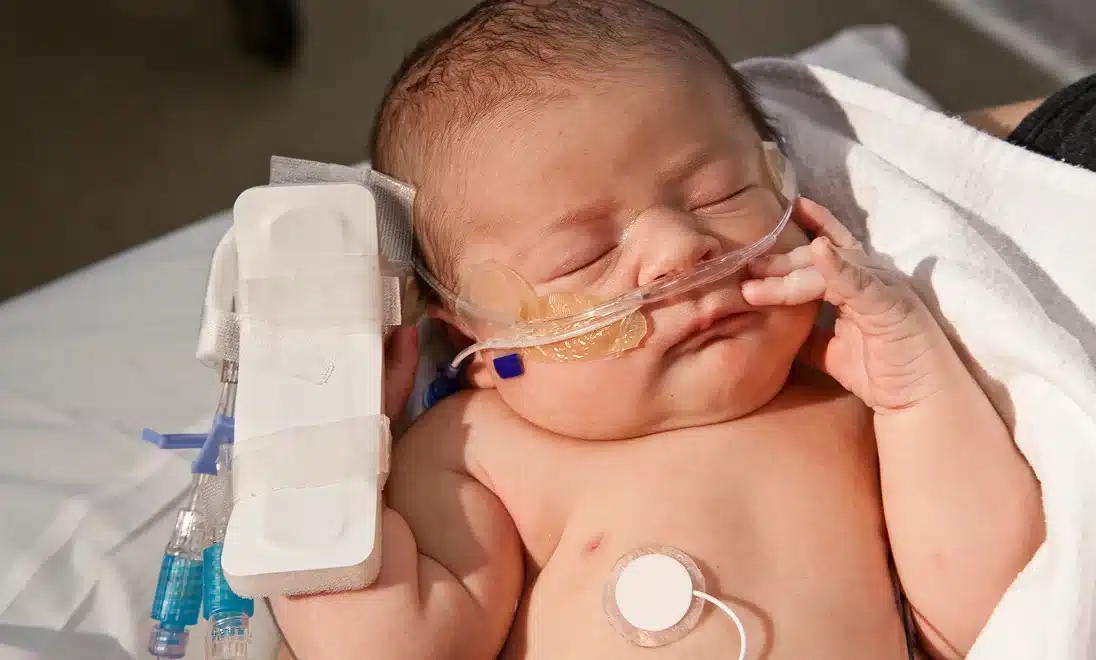
In a NICU malpractice claim, “damages” are the financial bridge that allows a child with a permanent injury to live a life of dignity—support that a dedicated NICU catastrophic injury lawyer for children and birth injuries can help you secure. Families have the right to pursue compensation for injuries caused by NICU errors, seeking monetary damages to cover medical expenses and other losses resulting from medical negligence, including pursuing claims when managed health care insurers wrongfully deny needed treatment. These are generally categorized into two main types:
In 2026, the cost of specialized neonatal care has reached unprecedented levels.
To prove these damages, our team of NICU lawyers commissions a Life Care Plan. This document outlines every item your child will need until the end of their life—ensuring that a settlement covers the true cost of the injury.
Understanding the types of damages available is essential for families seeking justice and long-term support.
In 2026, very important evidence in a NICU and birth injury case is hidden deep within the hospital’s servers. Our team of NICU lawyers knows that while hospitals are legally mandated to keep a child’s medical records on file until at least the end of the statute of limitations—which often spans nearly two decades—the underlying digital data is much more fragile.
While the paper trail may be preserved, the “digital fingerprints” of medical care are at constant risk. We act immediately to ensure that every byte of data from the NICU is locked down.
Preserving digital evidence is a crucial, time-sensitive step in building a strong NICU injury case.
To build a case, we go beyond basic discharge summaries. We request the “Entire Record Set” that includes:
Having a comprehensive evidence checklist ensures that no critical information is overlooked during your case.
These resources offer support and information for families navigating the challenges of NICU injuries.

General medical malpractice experience is not enough; you need a team that understands neonatal physiology and electronic audit trails.
Some firms sign clients only to hand them off to junior associates or case managers. Ensure you know who is leading your litigation.
Be wary of firms looking for a quick settlement. You want a team that prepares every case for trial to maximize your recovery.
Ask how they vet the board-certified neonatologists who will testify on your child’s behalf.
Most firms work on a contingency basis, but you must clarify if you are responsible for court or expert fees if the case is lost.
Asking these questions will help you choose the right legal team for your family’s needs.
Leading causes are neonatal sepsis and oxygen deprivation (HIE). According to JAMA Network, diagnostic mistakes are common allegations in pediatric claims. Wrongful death in the NICU is truly a parent’s worst nightmare, often resulting from preventable medical errors.
Prevention is tied to timely response. Studies show nearly 92% of neonates in some units were affected by at least one medication error (PubMed). Determining if your baby’s injury was preventable involves establishing causation—whether the harm was due to medical negligence or could have been avoided with proper care. Proper prenatal care is also critical in preventing many NICU injuries.
In 2026, the answer to whether there is a time limit for a NICU injury claim is yes, but there can be pitfalls and nuances, which is why it is important to consult counsel
For parents across the country, it is helpful to think of this not as one single deadline, but as a “two-clock” system. Because NICU injuries often involve lifelong care, the law provides different windows of time depending on whose rights are being protected.
As a parent, you have the right to seek compensation for the immediate financial burden of the injury—such as hospital bills, specialized equipment, and lost wages.
The law recognizes that a newborn cannot protect their own legal rights. Therefore, many states “toll” (pause) the deadline for the child.
In some states this can be much shorter,
NICU injuries are not always obvious the moment a baby is discharged. Conditions like cerebral palsy or developmental delays may not be diagnosed until a child misses major milestones at age two or three.
Yes. This results in a catastrophic overdose and is a clear breach of the standard of care.
This is a standard defense. Often, the hospital and its insurance company will argue that the injury was due to pre-existing conditions or prematurity, disputing liability and causation. We use independent neonatologists to prove the specific injury was caused by medical mismanagement.
Hospitals often claim these are “privileged,” but we can often secure the underlying data and nursing logs that provide the factual timeline.
Therapeutic hypothermia must begin within 6 hours. We review umbilical cord blood gases (pH levels) to see if red flags were ignored (Oxford Academic). Missing a cooling protocol may be grounds for a NICU medical malpractice claim if it resulted in harm to your child.
We work on a contingency fee basis. You pay nothing out of pocket. We advance all costs for expert witnesses.
Immediate review of the full medical chart. Contact The Killino Firm to begin “Evidence Preservation” before digital metadata is deleted.
By understanding the types of NICU injuries, the legal process, and the importance of experienced representation, families can take the first step toward justice and securing the resources their child needs for the future.
Courtney S

Reggie B
Corey E
Jeanne Y
Trisha H
Michaelene C
Rhonda L
In the aftermath of a wrongful death or catastrophic injury, particularly those involving babies and children, victims and their families are forced into the new “normal”. Their lives are often characterized by multiple facets of struggle; physical, medical and financial. The worry and stress can be unbearable. But, that is where the Killino Firm steps in.
Time and again for over two decades Jeffrey Killino has changed the lives of his clients and their families with recoveries that will provide for all future medical care and day to day needs. The Killino Firm clients are regularly purchasing new homes and vehicles; securing much needed medical care and assistance; and sleeping better at night know there are millions of dollars to take care of them for the rest of their lives.
Yes, the Killino Firm regularly secures multi-million dollar settlements and/or verdicts, however, we measure our true success in terms of how we change our clients’ lives. The Killino Firm is dedicated to its clients and their plight. After the cases are over, the Killino Firm stays involved and available to it’s clients as the journey continues.
At the Killino Firm we care about our clients and we care about our community, which is why from time to time when we uncover a hazard or danger with the potential to harm others, the Killino Firm takes action to alert the public and appropriate regulatory authorities.

Call Me
We'll call you!
"*" indicates required fields
By submitting, you agree to be contacted about your request & other information using automated technology. Message frequency varies. Msg & data rates may apply. Text STOP to cancel. Privacy Policy
Text With Us
We'll text you!
"*" indicates required fields
By submitting, you agree to be contacted about your request & other information using automated technology. Message frequency varies. Msg & data rates may apply. Text STOP to cancel. Privacy Policy
Call Me
We'll call you!
By submitting, you agree to be contacted about your request & other information using automated technology. Message frequency varies. Msg & data rates may apply. Text STOP to cancel. Privacy Policy
Text With Us
We'll text you!
"*" indicates required fields
By submitting, you agree to be contacted about your request & other information using automated technology. Message frequency varies. Msg & data rates may apply. Text STOP to cancel. Privacy Policy
Email Us
We're available by email!
"*" indicates required fields
By submitting, you agree to be contacted about your request & other information using automated technology. Message frequency varies. Msg & data rates may apply. Text STOP to cancel. Privacy Policy
Book A Consultation
We're ready to answer your questions!
